
How Can Homeowners in Pulaski, NY Recognize an Aging Roof?
Most area households experience harsh winters and humid summers, both of which can accelerate roof wear. Residential roofs in Pulaski, NY are typically made from asphalt shingles, metal, or occasionally slate. Signs of aging differ based on roofing material, weather exposure, and even local building patterns. Recognizing these changes early helps prevent more severe issues down the line.
—
What Does Aging Look Like on Asphalt Shingle Roofs?
The majority of the city's homes feature asphalt shingles due to their affordability and suitability for the climate.
Typical signs of aging on asphalt shingles include:
- Granule Loss: You may notice an excess of black granules in gutters or at the base of downspouts. These granules protect shingles from UV damage. As they wear away, shingles become more vulnerable.
- Brittleness and Cracking: Repeated freeze-thaw cycles in the city can cause asphalt to become brittle and crack, especially on older roofs.
- Curling or Cupping Shingles: Shingles may begin to curl up at the edges or cup in the center, often from moisture retention or years of direct sun.
- Discoloration or Streaking: Black or green streaks might be visible, commonly caused by algae or moss. Pulaski’s humid summers and shaded areas make this common, especially on roofs with heavy tree cover.
A common misconception is that moss growth just affects appearance. In reality, moss holds moisture against the shingles, which can speed up decay.
—
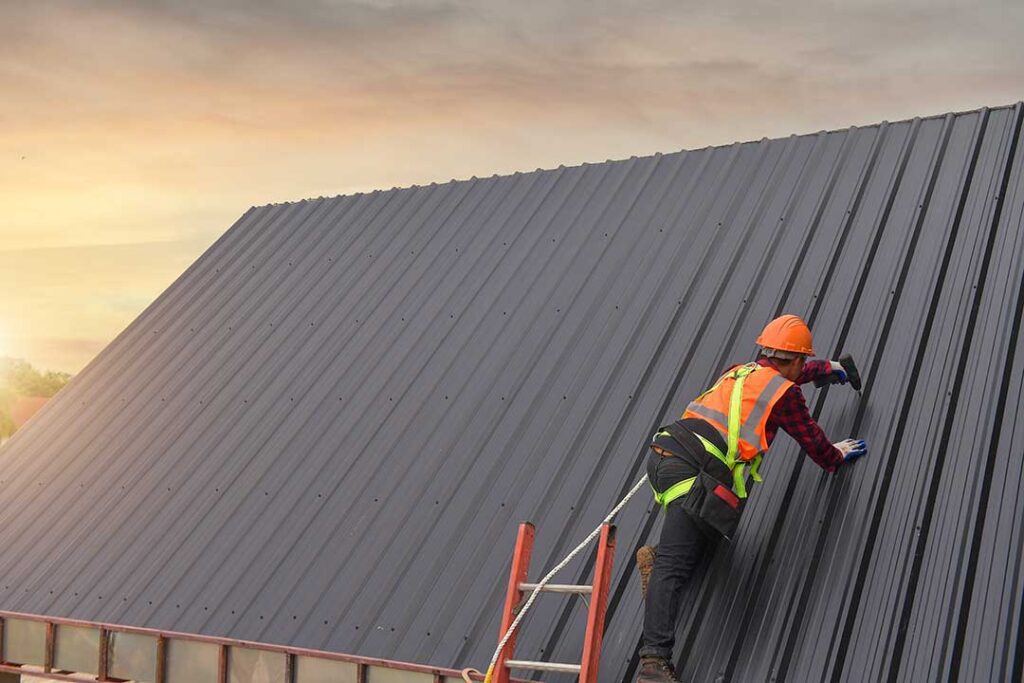
How Do Metal Roofs Show Their Age in Pulaski?
Homes and buildings with metal roofing benefit from longevity but aren’t immune to wear.
Key indicators of aging on metal roofs:
- Rusting and Corrosion: Despite protective coatings, salted winter roads can increase airborne salt, which may promote rust on metal roofs if the surface coating is compromised.
- Loose or Missing Fasteners: Seasonal temperature swings cause metal to expand and contract. Over time, screws may work loose or sealing washers deteriorate.
- Paint Fading or Peeling: The paint on metal can bleach or peel from sun exposure. While primarily cosmetic, exposed metal will corrode faster.
- Panel Warping or Buckling: Uneven or wavy sections often mean panels have shifted, usually due to improper installation or thermal movement over many years.
Some residents mistakenly believe metal roofs do not require inspection until they leak, but subtle aging signs can be managed long before leaks appear.
—
What about Slate or Composite Roofs Found in the Community?
Slate roofing is less common, but some historic area homes feature it. Composite (synthetic) roofing sometimes mimics slate.
For slate or composite roofs, aging can appear as:
- Cracked, Broken, or Slipped Tiles: Freeze-thaw cycles can force natural slate to crack. Slipped or missing slates create immediate leak risks since the tiles are the main water barrier.
- Efflorescence: A white powdery deposit might appear on tiles, suggesting moisture is moving through the slate or the underlayers.
- Surface Delamination: For synthetic materials, layers can begin to separate, especially after long sun exposure or hail.
- Spalling: Slate shingles may flake or peel on the surface after decades of weathering.
Because slate can last more than a century if maintained, residents sometimes overlook changes in appearance. Minor shifts or cracks can quickly escalate, especially with Pulaski’s regular freeze-thaw cycles.
—
How Does Local Climate Affect Roof Longevity?
Pulaski’s climate is a major contributor to roof aging. The city sees heavy snowfall, frequent rain, and periods of high humidity, along with significant seasonal temperature swings.
Winter factors:
- Ice dams can force water under shingles, quickening wear.
- Heavy snow load can accentuate underlying weaknesses.
- Freeze-thaw cycles promote cracking in both shingles and tiles.
Summer factors:
- High humidity and occasional damp shade favor algae and moss growth.
- UV rays fade or weaken roofing materials over time.
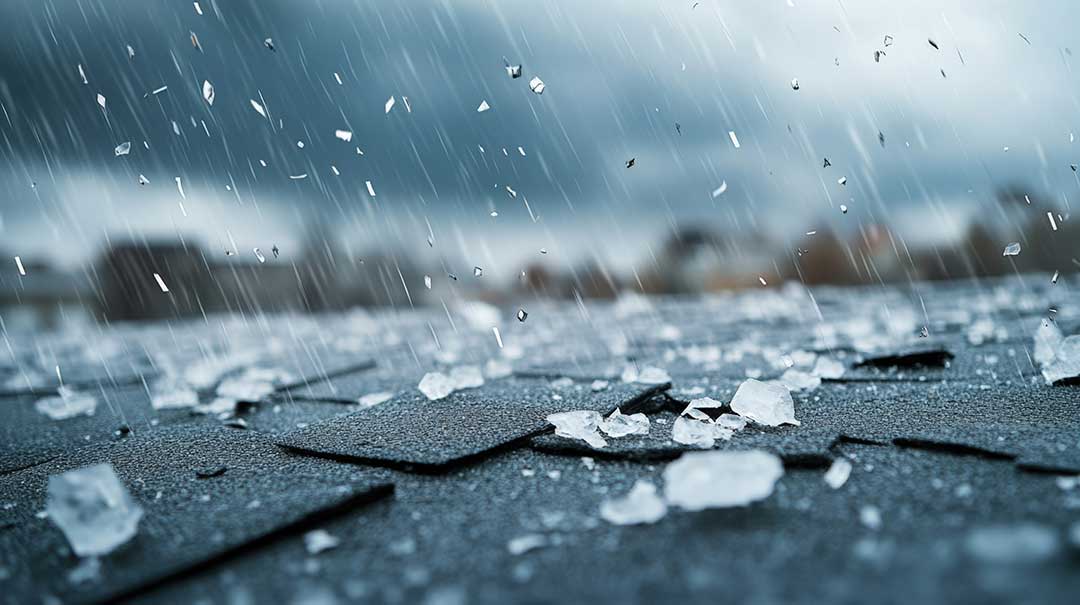
Wind storms, especially in open or lakeside neighborhoods, can lift or crease shingles, further accelerating roof wear.
—
Are There Less Obvious Warning Signs Residents May Miss?
Early or subtle signs of roof aging can be easy to overlook, especially from the ground.
Examples include:
- Small, Isolated Stains on Ceilings: Minor water marks inside may point to slow leaks from deteriorating flashing or underlayment, not always visible from outside.
- Gutter Debris: Finding shingle grit, paint flakes, or bits of roofing in gutters can be an early indicator of surface wear.
- Attic Health: Signs such as musty smells, visible mold, or daylight through the roof boards inside the attic suggest moisture is entering where it shouldn't, often due to aging roof materials.
It’s a common misconception that all roof problems start with visible leaks; many issues begin subtly and are only visible up close or in the attic space.
—
What Maintenance Habits Help Slow Down Roof Aging in the Area?
Routine care can lengthen roof life across all material types.
Best practices include:
- Clearing debris (leaves, branches, moss) from roof surfaces and gutters—especially after storms or fall leaf drop.
- Checking for missing, loose, or damaged shingles or fasteners every spring and after major storms.
- Removing overhanging branches, which can shade roofs, trap moisture, and drop debris.
- Ensuring attic spaces are well-ventilated and insulated to reduce ice dam formation and trapped moisture.
Local households sometimes believe new roofs are “set-and-forget,” but regular observation and minor maintenance help roofs last longer in this climate.
—
When Is Professional Assessment Needed?
For most roof observations and simple upkeep, local residents can monitor their roofs safely from the ground or attic. Professional help becomes necessary only for:
- Structural issues, major leaks, or widespread shingle loss
- Signs of animal intrusion, significant moss, or visible sagging
- Any work requiring climbing onto steep or tall roofs (for safety reasons)
Taking safety precautions is essential—slippery, icy, or steep roof surfaces are dangerous and should not be accessed without proper experience and equipment.
