
What Are Roof Fire Ratings and Why Do They Matter?
Roof fire ratings describe how well various roofing materials resist the spread of fire. These ratings help Pulaski, NY homeowners understand the potential risks surrounding their homes during a fire, whether it starts inside the structure or approaches from outside sources like wildland brush. Since the village regularly experiences wood-burning stoves, seasonal debris, and occasional dry conditions, understanding these fire ratings can guide safer roofing choices and maintenance.
Roof fire ratings are determined through standardized laboratory tests. Materials are classified by their ability to withstand fire exposure, limit flame spread, and prevent penetration.
How Are Roofing Materials Rated for Fire Resistance?
Roofing products are usually given one of three main ratings: Class A, Class B, or Class C. Here’s what these ratings mean:
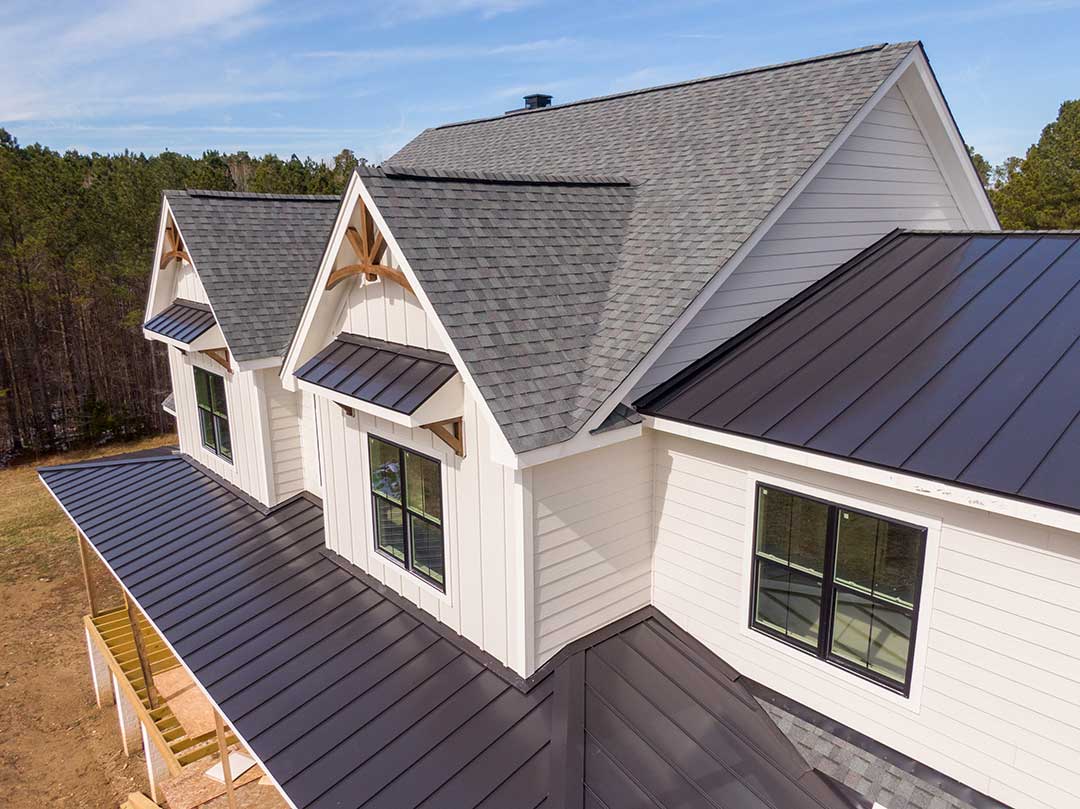
- Class A: Highest rating. Materials can withstand severe fire exposure and do not carry or spread flames easily. Common examples include fiberglass asphalt shingles, concrete or clay tiles, and certain metal panels.
- Class B: Moderate fire resistance. These resist fire from moderate exposure, but not as effectively as Class A.
- Class C: Provide basic protection and can only handle minor fire exposures.
Unrated or "non-rated" materials offer little to no tested fire resistance, which can be a concern for any home in Pulaski, especially those located on wooded lots or near open land.
Are Fire Ratings Relevant to Typical Pulaski Homes?
Yes, they are. Pulaski experiences cycles of heavy snow, blustery winds, and periods with dry leaf buildup or pine needles, especially in late autumn before snow cover arrives. These seasonal hazards can make roofs vulnerable if embers, fireworks, or neighboring fires occur.
Homes with older wooden shakes or untreated shakes are less common but may still be found, particularly on older cottages. These materials typically do not qualify for Class A ratings unless they have been specifically treated or installed as part of a tested assembly.
For newer homes or renovation projects, most asphalt shingles used in Pulaski are Class A rated. However, maintaining a clear roof—free of moss, leaves, and debris—is vital no matter the rating.
Can Fire Ratings Be Improved Without Replacing the Roof?
In many cases, improving your roof’s fire safety doesn’t require a full replacement. While the rating is determined by the materials themselves, local residents can take a few steps:
- Remove dry leaves and pine needles regularly, especially where they gather in roof valleys or gutters.
- Trim overhanging tree branches to reduce the risk of falling debris or direct flame contact.
- Install metal mesh screens on vents and in soffits to prevent embers from entering the attic.
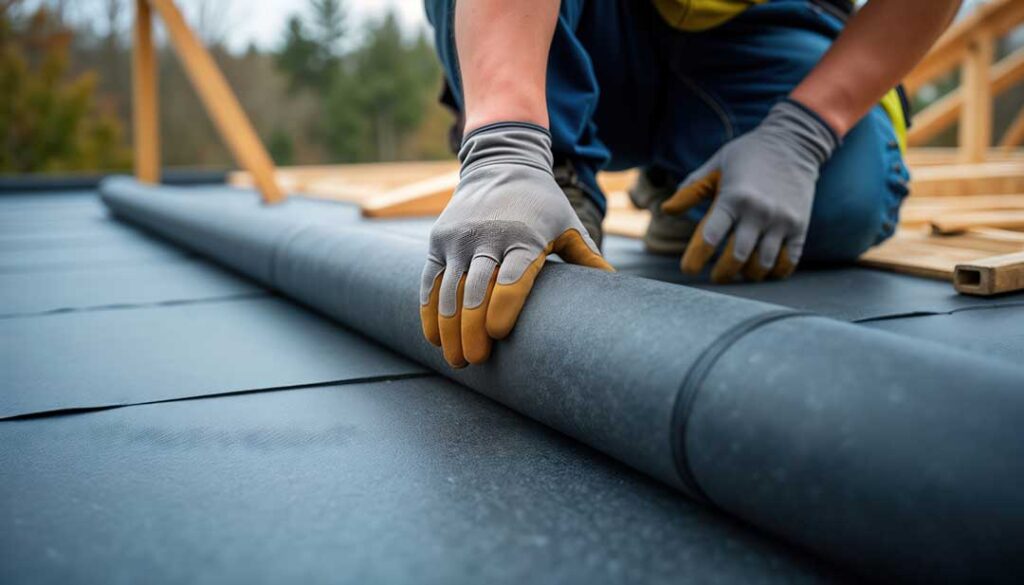
- If reroofing is necessary, consider Class A or B rated underlayment materials for an extra layer of protection even beneath standard shingles.
Practical, ongoing maintenance often has as much impact on real-world fire risk as the initial material rating.
Are There Local Codes or Insurance Requirements Regarding Fire Ratings?
In Pulaski, roofing codes generally reflect broader New York State building code requirements rather than specific local mandates about fire-resistant materials. However, if a home is in a more densely wooded area or near designated wildland-urban interfaces, higher-rated materials may be more strongly recommended by insurance providers.
Most homeowners’ insurance policies factor in overall home safety, and some may ask about roof materials, especially after claims related to storm or fire damage. Choosing a higher-rated material can sometimes influence insurance eligibility or cost—but this varies between providers and situations.
Residents should be aware that using non-rated or poorly rated materials could limit insurance options or present difficulties if local codes are updated after severe regional fires.
What Are Common Myths About Roof Fire Ratings?
- Myth: Any roof covering is "fireproof" if made from tile or metal.
In reality, fire ratings depend not only on the outer layer but the entire tested assembly. Lightweight metal or tile can still allow embers to enter through gaps or valleys unless specifically tested and properly installed with class-rated underlayment.
- Myth: If the house isn’t near woods, fire rating isn’t a concern.
Urban locations in Pulaski can still experience outdoor fire risks from burning brush piles, fireworks, or neighbor house fires. Embers can travel hundreds of feet in windy conditions.
- Myth: Only old roofs are at risk.
Brand-new roofs can be vulnerable if they use non-rated materials or if debris is not cleared away seasonally.
What Else Should Pulaski Residents Know About Roof Fire Ratings?
Selecting a roof with a higher fire rating adds a critical safety feature to any home, but ratings only tell part of the story. Regular maintenance—especially ahead of the fall and winter seasons—matters just as much for protecting property and loved ones.
Roof fire ratings are designed as a guide to the materials’ capacity under controlled test conditions. Each home’s risks will differ based on factors like nearby vegetation, prevailing winds, roof design, and household habits.
Finally, residents should periodically inspect their roofs and gutters for debris build-up, maintain clear eaves, and follow general home fire safety practices to get the most benefit from whichever roof material they choose.
