

A roof rarely fails without warning. Small changes—such as a missing shingle, a damp attic smell, or granules collecting near a downspout—can signal damage that may become more expensive if ignored. For homeowners in Pulaski, NY, regular checks are especially useful because roofs face heavy snow, ice, wind, rain, freeze-thaw cycles, and occasional debris from nearby trees.
Early inspection does not mean climbing onto the roof. Many warning signs can be found safely from the ground, inside the attic, or around the upper floors of a home.
What are the first visible signs of roof damage?
The earliest exterior signs are often changes in the roof’s surface or drainage system. Look for these conditions from the ground using binoculars if needed:
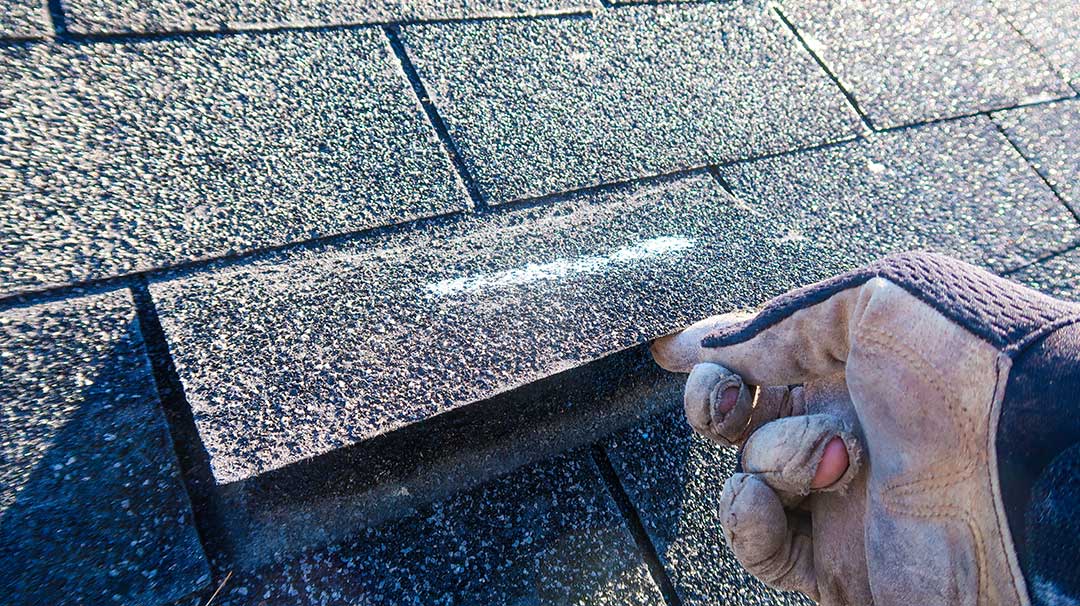
- Shingles that are cracked, curled, blistered, lifted, or missing
- Dark patches that appear different from the surrounding roof
- Exposed underlayment, flashing, or roof decking
- Loose materials in the yard after high wind
- Sagging areas along the roofline
- Gutters filled with unusually large amounts of shingle granules
- Metal flashing that is bent, separated, or pulled away from a joint
A few scattered granules in a gutter may be normal, particularly on a newer roof. A steady buildup, however, can indicate that the protective surface of asphalt shingles is wearing away. Once the granule layer is reduced, the underlying material is more exposed to sunlight, water, and temperature changes.
Shingles do not always fail in large sections. A single lifted edge can allow wind-driven rain to enter beneath the roofing material, especially during storms.
How can interior rooms reveal a roof leak?
Water stains on ceilings or walls are common signs of roof trouble, but they are not always located directly below the entry point. Water can travel along rafters, roof decking, insulation, and framing before appearing indoors.
Watch for:
- Brown, yellow, or gray ceiling stains
- Fresh paint bubbling or peeling near the ceiling
- Damp drywall around upper-floor windows or exterior walls
- Musty odors after rain or snowmelt
- Soft, swollen, or discolored trim
- Drips or damp spots in unfinished rooms
- Staining that grows after storms
A stain that looks dry does not necessarily mean the problem has stopped. Roofing leaks may occur only under certain wind directions, during heavy precipitation, or when snow and ice melt rapidly. Marking the edges of a stain with a pencil and date can help show whether it is expanding.
Do not assume every ceiling stain comes from the roof. Plumbing leaks, ice dams, ventilation issues, and condensation can create similar marks. The timing of the stain is useful: changes after rain point toward possible roof or flashing problems, while moisture that appears during cold weather without precipitation may involve indoor humidity or attic ventilation.
What should homeowners check in the attic?
The attic often provides the clearest evidence of an early roof problem. Inspect it during daylight hours and after significant rain if access is safe. Use a flashlight and avoid stepping between ceiling joists unless solid flooring is present.
Look for:
- Wet or darkened roof sheathing
- Rust around nails or metal fasteners
- Water trails on rafters
- Damp insulation or compressed insulation
- Mold-like staining or persistent musty odors
- Daylight visible through the roof deck
- Frost on nails or roof boards during very cold weather
Small pinpoints of daylight around a roof penetration may indicate a gap, but not every visible opening is an active leak. Ventilation components are designed to allow controlled airflow, while cracks, separated flashing, and unplanned openings are potential concerns.
Frost in an attic is also worth investigating. It can form when warm, moist household air reaches cold roof surfaces. When temperatures rise, the frost melts and may be mistaken for a roof leak. Bathroom fans that discharge into the attic, inadequate insulation, and blocked ventilation can contribute to this problem.
Why are flashing and roof edges frequent trouble spots?
Flashing protects transitions where roofing meets walls, chimneys, vents, skylights, and other penetrations. These areas move slightly as materials expand and contract, making them vulnerable to separation.
Inspect visible flashing for:
- Gaps along joints
- Lifted or corroded metal
- Missing sealant where a sealant joint is expected
- Cracked materials around vents
- Water staining below roof penetrations
- Loose metal at eaves, valleys, or wall intersections
Roof edges deserve attention as well. Drip edges, fascia, soffits, and gutters help direct water away from the structure. Rot, peeling paint, sagging gutters, or staining beneath the eaves may indicate that water is not draining properly.
In homes exposed to snow and ice, repeated freeze-thaw cycles can widen small openings. Ice buildup near eaves may also force meltwater beneath shingles. This is commonly associated with ice dams, but roof damage, attic heat loss, and ventilation conditions can overlap, so the visible ice is not always the only issue.
Can gutters and downspouts show roof problems?
Yes. Gutters can reveal both roof deterioration and drainage trouble.
Granules from asphalt shingles often settle in gutters after weathering or roof work. A sudden increase in granules may suggest accelerated surface loss. Gutter sections that pull away from the roofline can indicate heavy ice, excess water, damaged fascia, or poor attachment.
Check whether:
- Water spills over the front edge during rain
- Downspouts discharge close to the foundation
- Gutter seams leak or separate
- Leaves and debris block the flow
- One section remains wet after nearby areas have dried
- Water stains appear on siding below the roof edge
Clogged gutters do not automatically mean the roof is damaged, but they can contribute to water backing up under the roofing edge. Keeping drainage paths clear is a basic part of roof observation and seasonal maintenance.
Which roof changes require prompt attention?
Some signs should not be treated as routine wear. Prompt attention is warranted when there is active water entry, a visibly sagging roof area, exposed decking, extensive shingle loss, or damage after a major wind or ice event.
Safety matters during inspection. Avoid walking on steep, wet, icy, or visibly damaged surfaces. Snow-covered roofs can hide weak areas, and ladders can shift on frozen or uneven ground. From inside the home, keep clear of bulging ceilings because trapped water can add weight and cause a section of drywall to fall.
If water is near electrical fixtures, turn off power to the affected area only if doing so is safe, and avoid touching wet electrical components. Buckets can limit interior damage temporarily, but they do not resolve the source.
How often should a roof be checked in Pulaski?
A practical schedule is to observe the roof from the ground in spring and fall, and again after severe wind, heavy snowfall, or rapid snowmelt. Attic checks can be useful after major rain or during periods when indoor moisture problems become noticeable.
Older roofs, homes beneath mature trees, and properties with repeated ice buildup deserve closer observation. Keep dated photos of roof surfaces, gutters, attic areas, and known trouble spots. Comparing photos over time makes gradual changes easier to recognize and helps distinguish a new issue from an old stain.
Early signs do not always reveal the exact cause, but they provide useful evidence. A missing shingle, a growing ceiling mark, or persistent attic moisture is a reason to investigate before a minor defect develops into wet insulation, damaged framing, or interior deterioration.
