
What usually causes a roof leak?
The most common roof leaks come from damaged shingles, failed flashing, clogged drainage, ice-related problems, and roof penetrations such as chimneys, vents, and skylights. Leaks may also develop when water backs up beneath roofing materials or when aging components lose their ability to shed water.
A roof leak does not always appear directly below the original problem. Water can travel along roof decking, rafters, insulation, and interior framing before it creates a ceiling stain or damp wall. That is why the visible location of a leak may not identify its actual source.
In Pulaski, NY, roofs must handle heavy rain, snow, freezing temperatures, thawing conditions, wind, and repeated seasonal changes. Those conditions can expose small weaknesses that might remain unnoticed in a milder climate.
How do damaged or missing shingles lead to leaks?
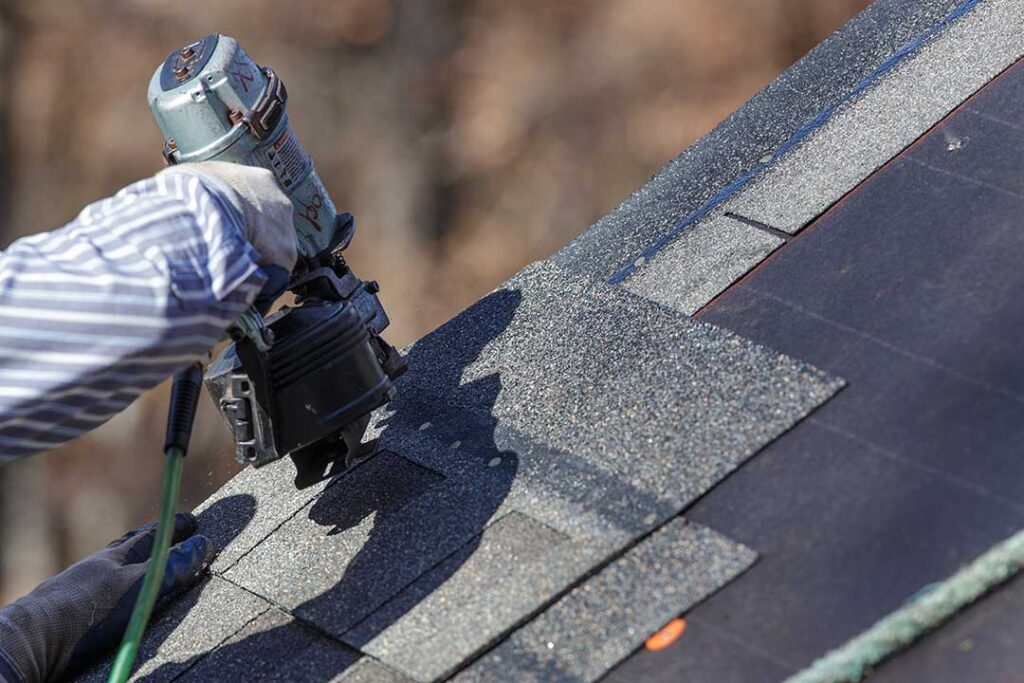
Shingles protect the roof deck from direct exposure to rain and melting snow. If shingles crack, curl, loosen, or disappear, water can reach the underlayment and wood beneath them.
Common causes of shingle damage include:
- High winds that lift or remove shingles
- Falling branches and other impact damage
- Long-term exposure to sunlight and temperature changes
- Improper fastening during installation
- Foot traffic that breaks or displaces roofing materials
- Ice movement during repeated freeze-thaw cycles
A few damaged shingles may not cause an immediate interior leak. However, exposed areas can allow moisture to enter gradually, especially during wind-driven rain. Water may also move beneath neighboring shingles before reaching the roof deck.
Dark patches, lifted edges, missing tabs, exposed nail heads, or pieces of roofing material in the yard are signs that the roof deserves a closer look.
Why does flashing fail?
Flashing is the thin material installed around roof joints and interruptions. It directs water away from vulnerable areas such as chimneys, walls, valleys, skylights, and plumbing vents.
Flashing can leak when it becomes bent, corroded, cracked, loose, or separated from the surrounding roofing. Sealant used around flashing may also shrink or split over time. In some cases, the flashing itself remains intact while the way it was installed allows water to collect behind it.
Roof valleys are especially vulnerable because they carry water from two sloping sections into a concentrated drainage path. Leaves, pine needles, ice, and debris can slow the flow and increase the chance of water pushing beneath nearby materials.
A chimney leak may also originate higher up than expected. Water can enter near the chimney cap, masonry, counterflashing, or the point where the chimney meets the roof. Treating only the interior stain may hide the symptom without correcting the entry point.
Can clogged gutters cause a roof leak?
Yes. Clogged or poorly draining gutters can contribute to leaks by allowing water to back up along the roof edge. During cold weather, trapped water may freeze and expand, creating additional stress on shingles, underlayment, fascia, and flashing.
Overflowing gutters can also saturate the roof edge and exterior walls. If the gutter system slopes incorrectly, has separated joints, or lacks adequate downspout capacity, water may spill back toward the structure even when the gutters appear relatively clean.
Leaves and small branches are common concerns during autumn. Snow and ice can add weight to the gutter system, while repeated freezing and thawing may loosen fasteners or pull sections away from the fascia.
Water staining near eaves, peeling paint below the roofline, damp soffits, or overflowing gutters during ordinary rainfall may indicate a drainage problem rather than a shingle problem.
What role do ice dams play?
Ice dams form when heat escapes into the attic and warms the underside of the roof. Snow melts on the warmer upper portion of the roof, then refreezes near colder eaves. The resulting ridge of ice can block normal drainage.
When water collects behind an ice dam, it may move beneath shingles and into the roof assembly. This can lead to stained ceilings, wet insulation, damaged drywall, and mold growth if the moisture remains.
Ice dams are more likely when a roof has uneven temperatures, inadequate attic insulation, blocked soffit ventilation, or air leaks around attic penetrations. They are not caused by snow alone. A properly balanced roof and attic system can reduce the conditions that allow meltwater to refreeze at the eaves.
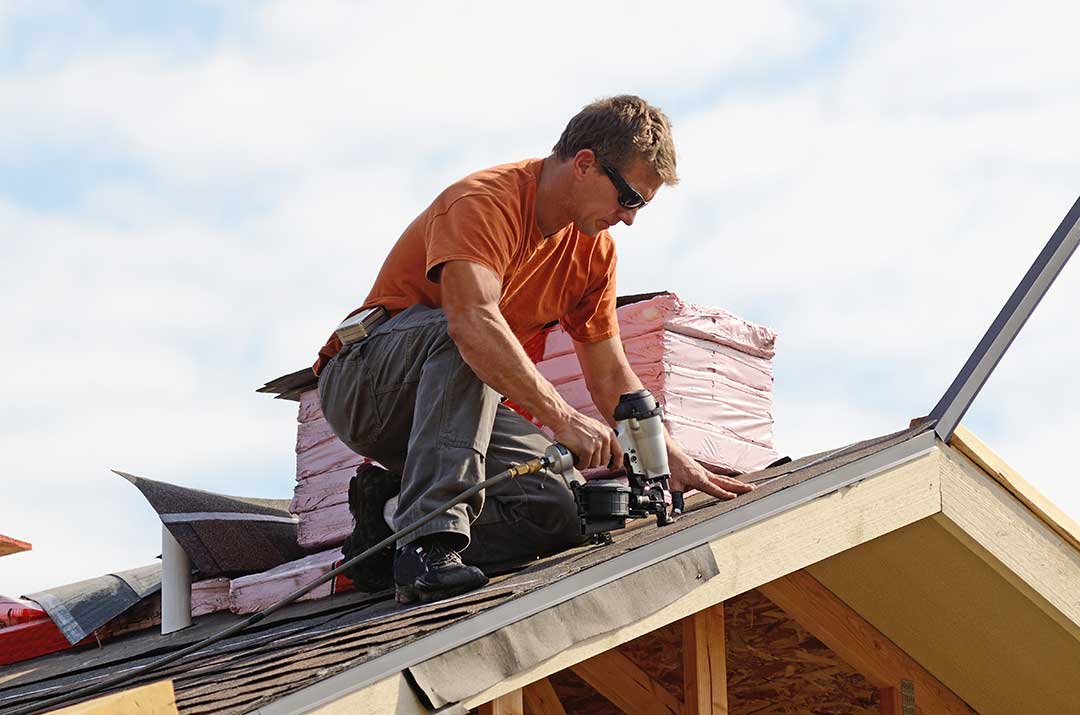
Removing ice from a roof can be hazardous. Chopping at the ice may damage shingles, flashing, gutters, and the roof deck. Walking on an icy roof also creates a serious fall risk.
Do roof vents and plumbing pipes create leak points?
Roof penetrations are among the most frequent sources of localized leaks. Plumbing vent pipes, bathroom exhaust vents, attic vents, satellite supports, skylights, and other openings require carefully sealed transitions.
The rubber or flexible collars around plumbing vents can crack with age. Metal flashing may rust or loosen. Vent covers can also become damaged by wind, snow, or falling branches.
A bathroom exhaust fan may create a separate moisture problem if it vents into the attic instead of outdoors. Warm, damp air can condense on cold roof surfaces, producing wet insulation or frost that may be mistaken for a roof leak.
Interior staining around a vent, bathroom, chimney, or skylight should be evaluated with the roof feature directly above it in mind. However, water can travel sideways, so the nearest penetration is not always the true source.
How can poor attic ventilation contribute to roof problems?
Poor ventilation does not always create a sudden leak, but it can shorten the service life of roofing materials and increase moisture problems. An attic that stays too warm in summer or too damp in winter may experience condensation, frost, wood deterioration, and uneven snow melting.
Effective attic ventilation generally depends on a balanced movement of air through intake and exhaust openings. Blocked soffit vents, compressed insulation, or improperly installed exhaust fans can interfere with that movement.
Moisture from cooking, bathing, clothes drying, and indoor air leakage can enter the attic if the ceiling plane is not well sealed. Over time, this moisture may damage roof decking even when the shingles appear intact.
Can an old roof leak even without visible damage?
Yes. Roofing materials become less flexible and less resistant to water as they age. Shingles may lose protective granules, flashing may corrode, and sealants may deteriorate. Older underlayment can also become brittle or lose its ability to protect the roof deck.
A roof may appear acceptable from the ground while having hidden weaknesses around valleys, eaves, fasteners, or penetrations. Interior signs such as brown stains, bubbling paint, damp insulation, musty odors, or recurring moisture after storms should not be ignored.
A stain that dries after a storm does not necessarily mean the problem has resolved. The roof assembly may still contain trapped moisture, and the next period of rain or thawing can reopen the leak.
What should residents do when a leak is found?
Begin by limiting interior damage. Move furniture and containers away from the affected area, and place a bucket beneath active dripping. If water is near electrical fixtures, avoid touching the fixture or nearby wiring and use caution around the room.
Photographing stains, damaged materials, and the conditions during rainfall can help identify patterns. Note whether the leak appears during wind-driven rain, heavy snowmelt, or a particular direction of weather.
Do not climb onto a roof covered with snow, ice, or wet leaves. Even a dry-looking roof may have unstable shingles or hidden weak spots. Roof access, electrical hazards, structural damage, and extensive water intrusion may require trained assistance for safety reasons.
The most useful long-term response is to identify how water entered, not simply cover the interior stain. A temporary container or ceiling patch may control the visible symptom, but the roof system must be dry and the entry point corrected to prevent continuing damage.
